Introduction: Entering a Living Classroom
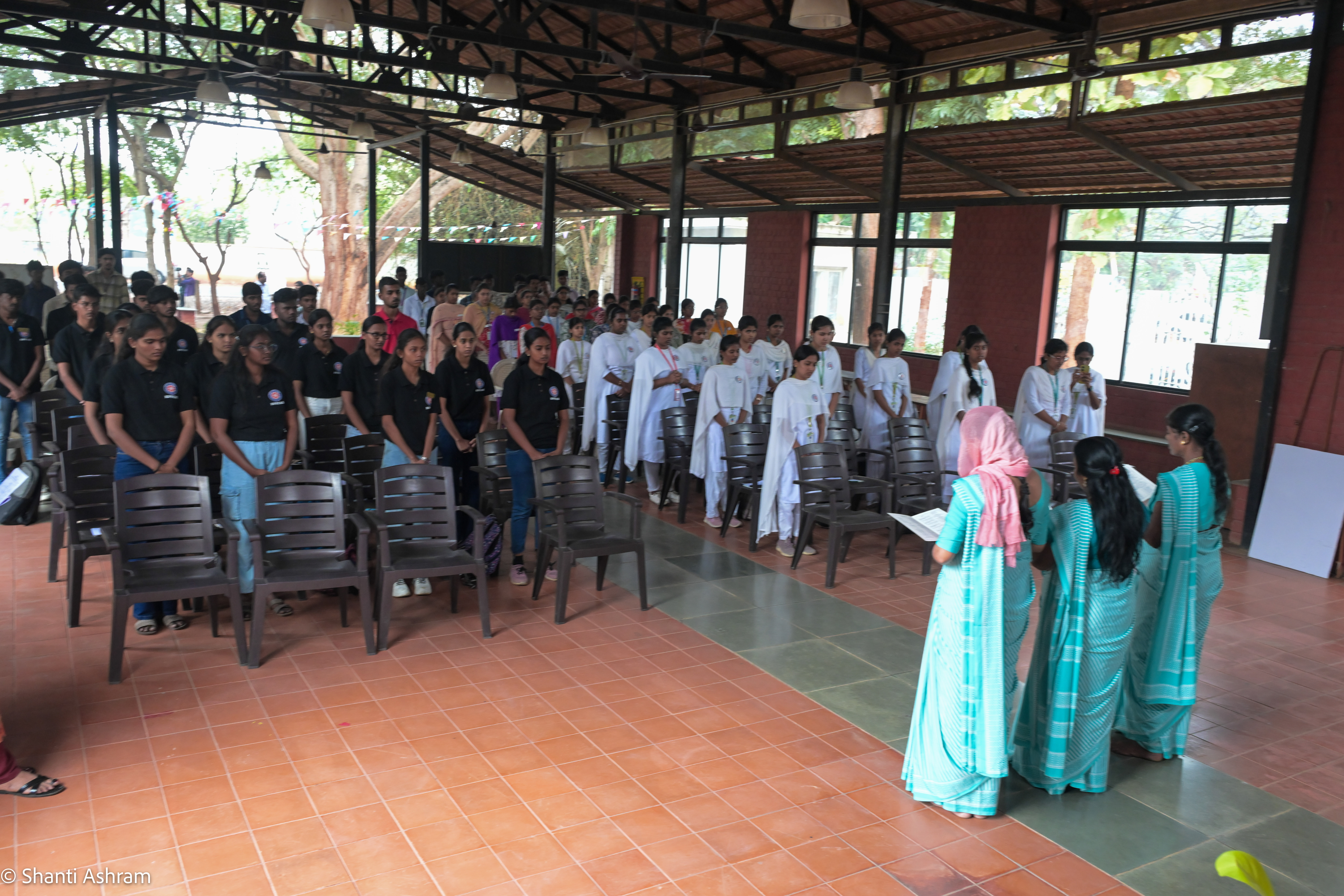
On 21st January 2026, Shanti Ashram once again became what it has always aspired to be—a space where learning is inseparable from life. The one-day programme on “Volunteering for an Inclusive Community” was envisioned not as a conventional orientation or workshop, but as a journey of inner and outer exploration. Rooted in Gandhian values and the lived philosophy of Shanti Ashram, the programme sought to gently move young people from awareness to empathy, and from empathy to responsible action.
The programme unfolded over seven hours of deep immersion, weaving together four theory sessions, five participatory activities, and a field visit. Rather than segmenting learning into rigid compartments, the day flowed organically—allowing ideas to be questioned, emotions to surface, and insights to mature through experience. It was a deliberate attempt to blur the boundaries between classroom knowledge and community realities, between the individual and the collective, between “I” and “We.”
Participants: A Confluence of Young Minds and Shared Curiosity
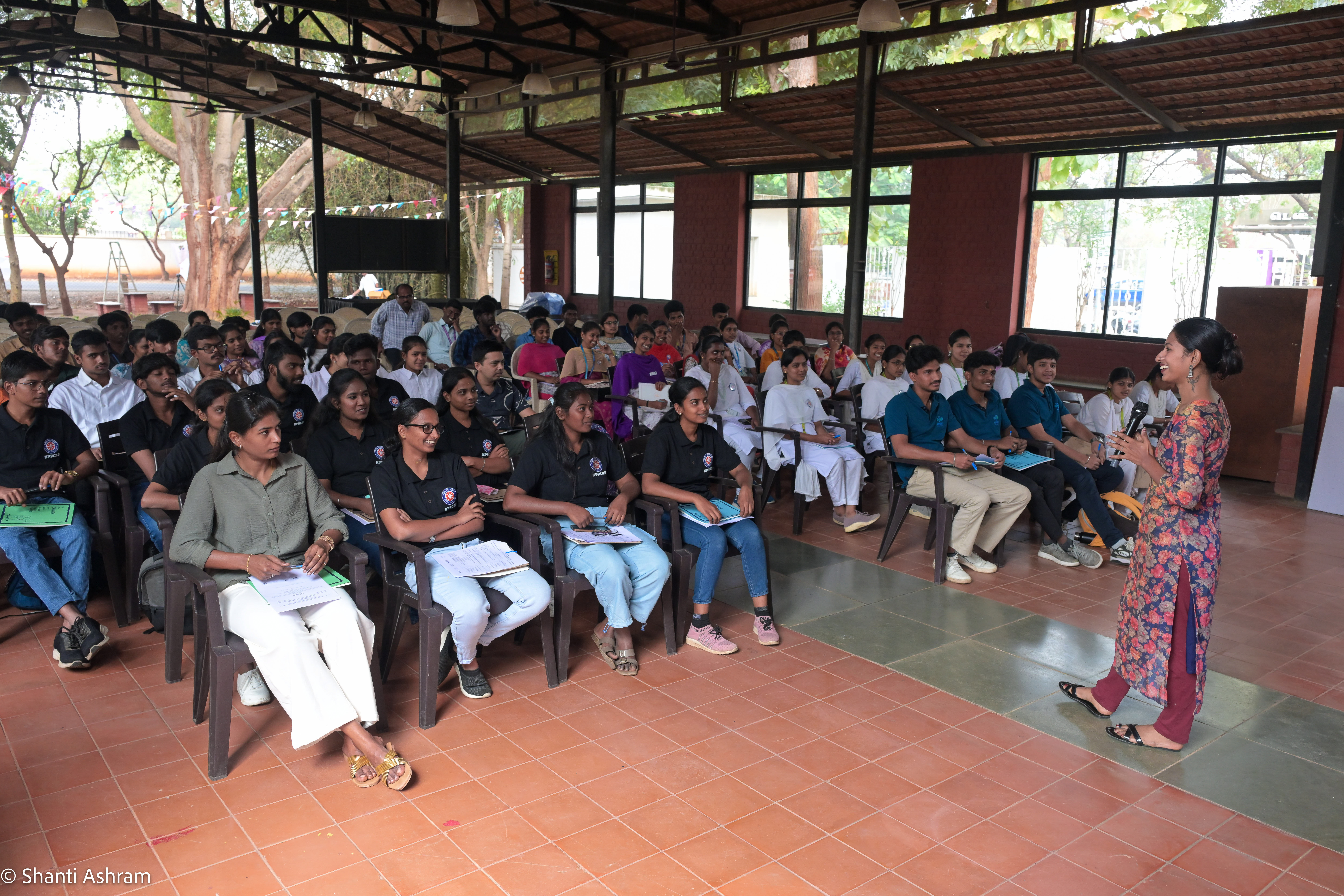
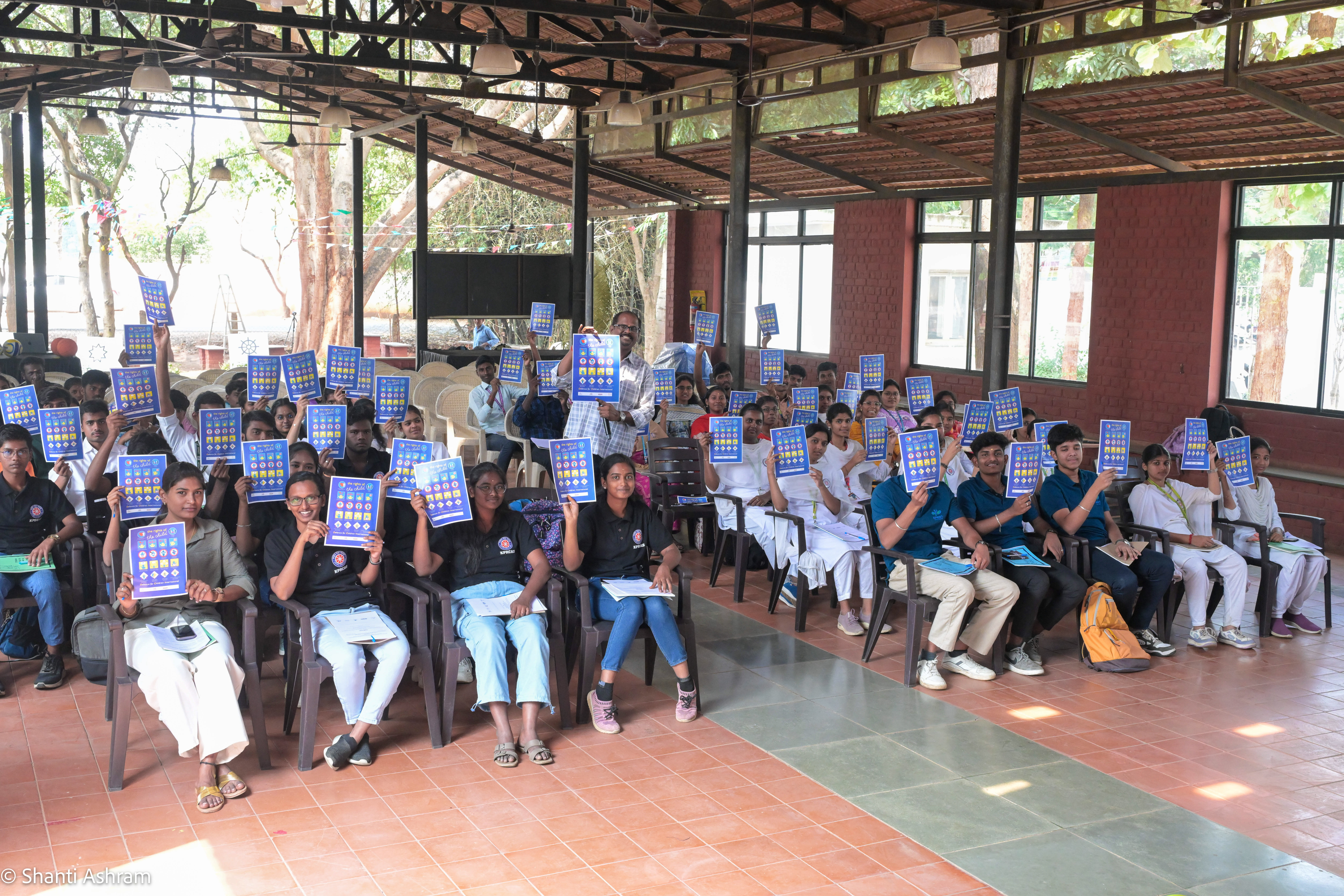
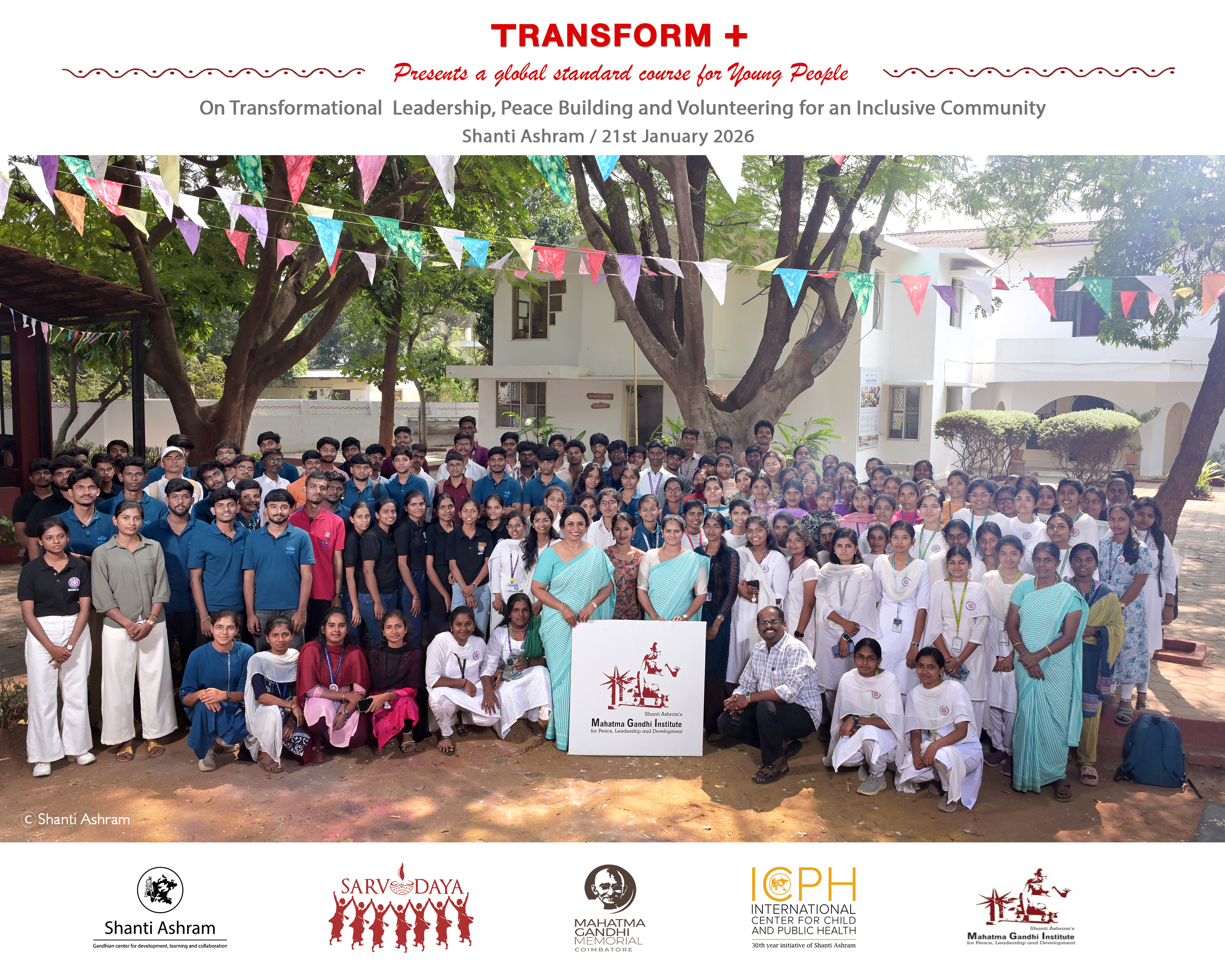
The programme brought together 149 young participants from eight institutions, each arriving with their own academic training, social conditioning, and personal aspirations. Students from Sri Krishna College of Arts and Science, Krishna Adithya College of Arts and Science, PSG College of Arts and Science, PSGR Krishnammal College for Women, Kongunad College, Nirmala College for Women, KPR College of Arts and Science, KPR Institute of Engineering and Technology, and Kumaraguru College for Arts and Science formed a vibrant learning community for the day.
Despite their diversity, the participants were united by a visible openness—to listen, to engage, and to reflect. As the day progressed, initial hesitations gave way to trust, curiosity deepened into dialogue, and passive listening transformed into active participation. What emerged was not merely a gathering of students, but a collective of young citizens beginning to locate themselves within a larger social and moral landscape.
The Sessions: From Awareness to Action
Transformational Leadership: Leading from Within
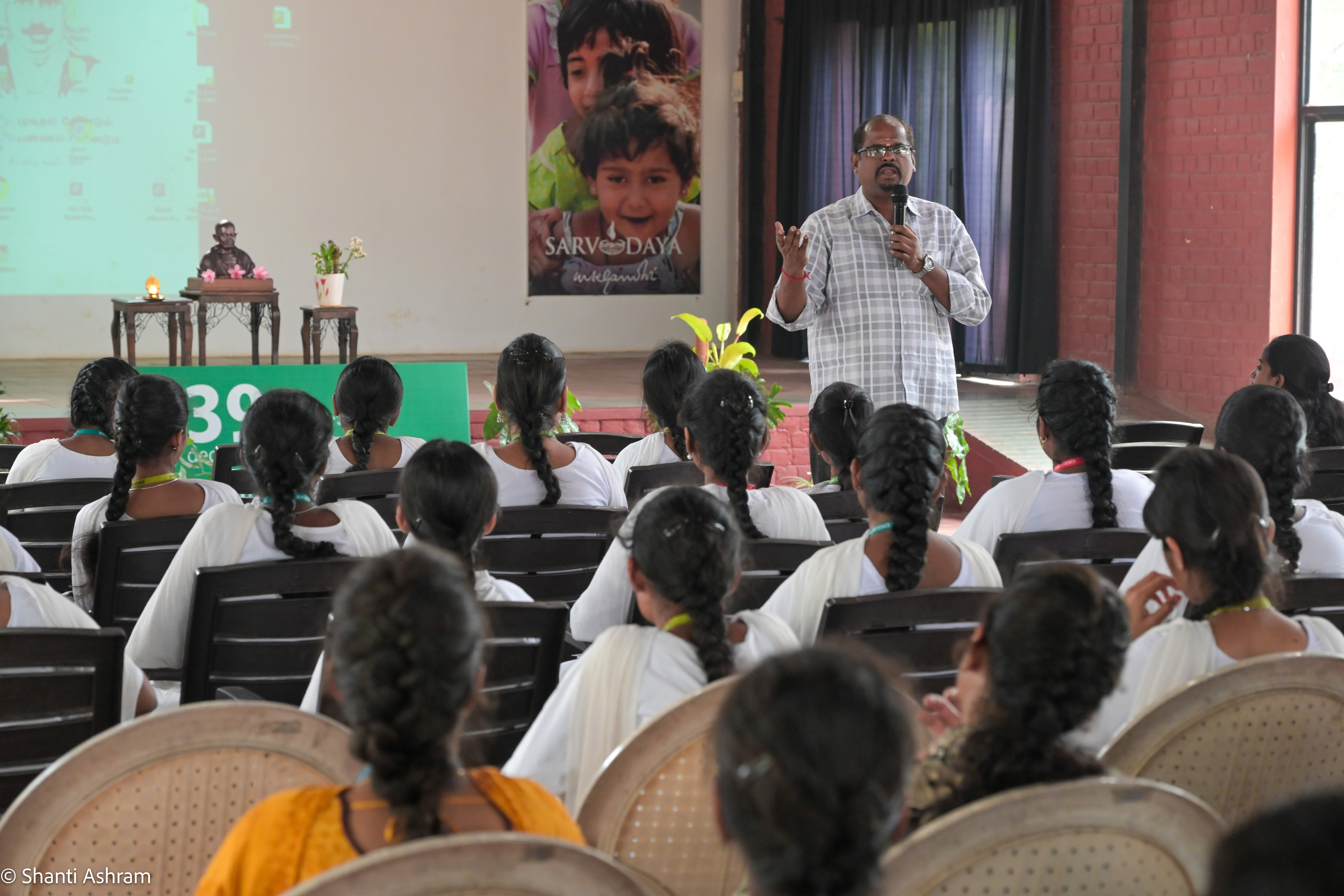
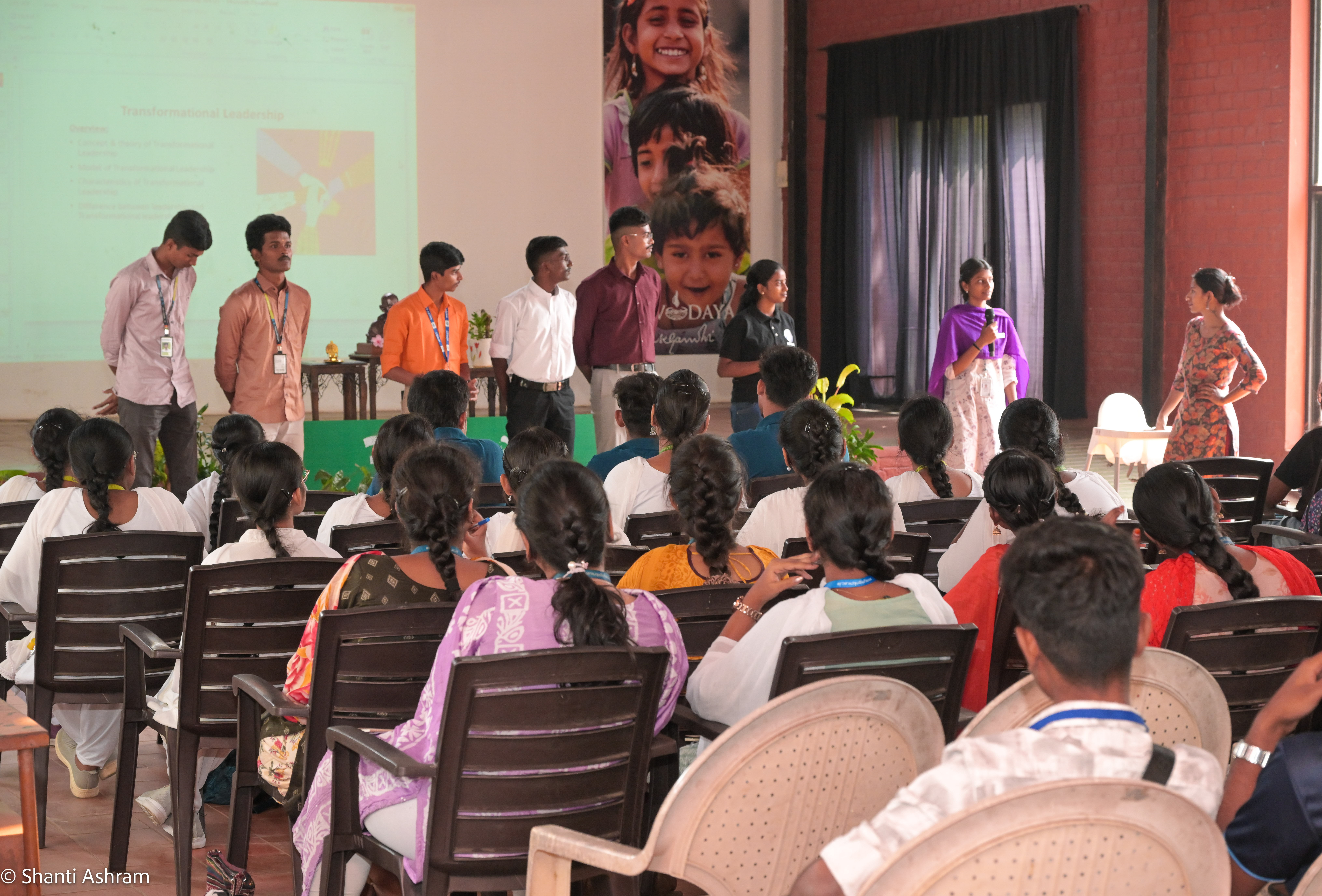
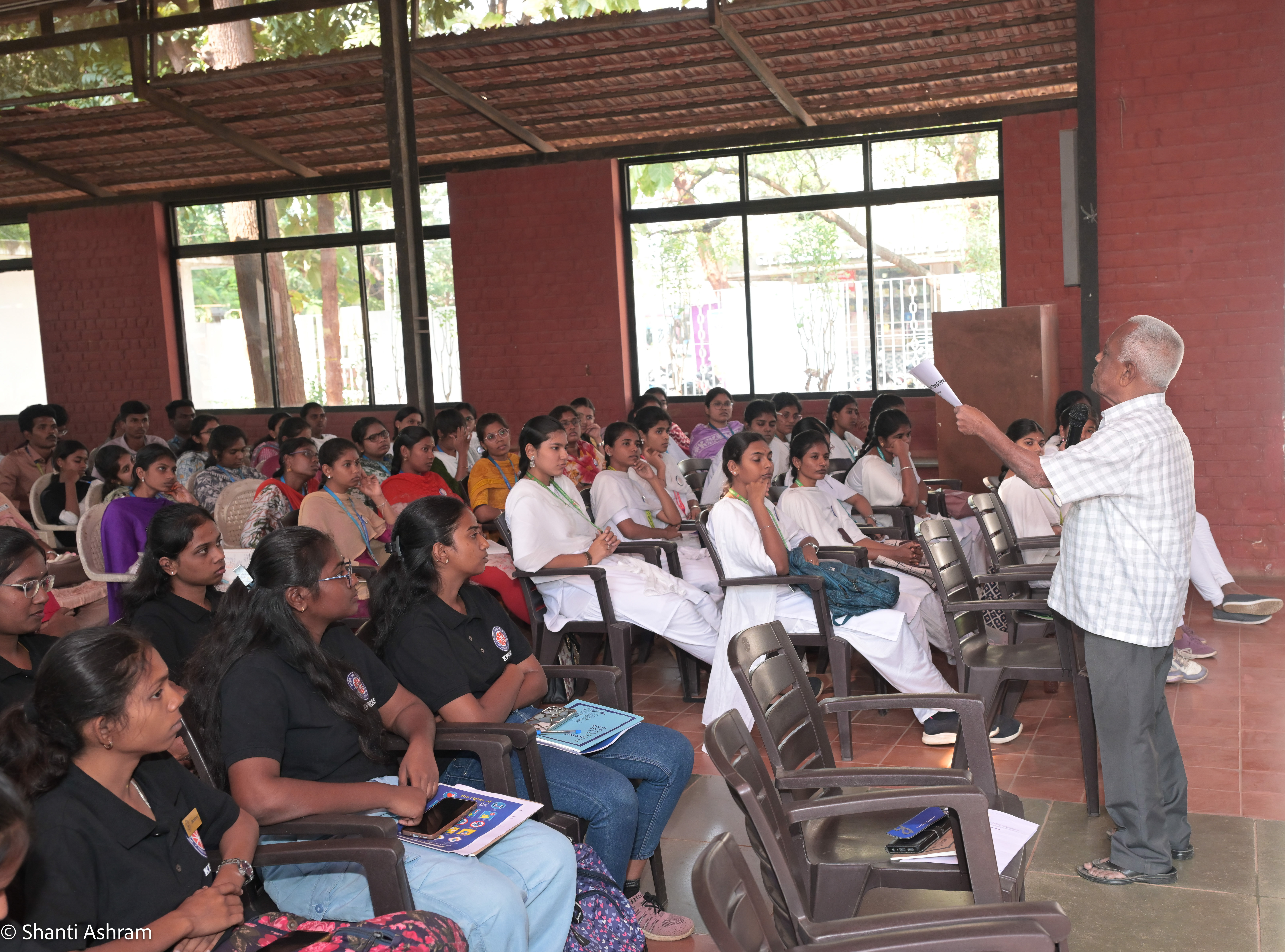
The session on Transformational Leadership set the philosophical tone for the day. Moving beyond popular notions of leadership as authority or influence, the session invited participants to reflect on leadership as an inner discipline—anchored in values, self-awareness, and service. Leadership was presented not as a position to be attained, but as a responsibility to be lived.
For many participants, this session offered a fresh lens on a familiar concept. The emphasis on ethical courage, empathy, and accountability resonated strongly, especially when situated within real-life contexts of inequality and exclusion. Students reflected that leadership, in its truest sense, begins with the willingness to stand with the vulnerable and to act for the common good.
Child Rights: From Legal Knowledge to Moral Commitment
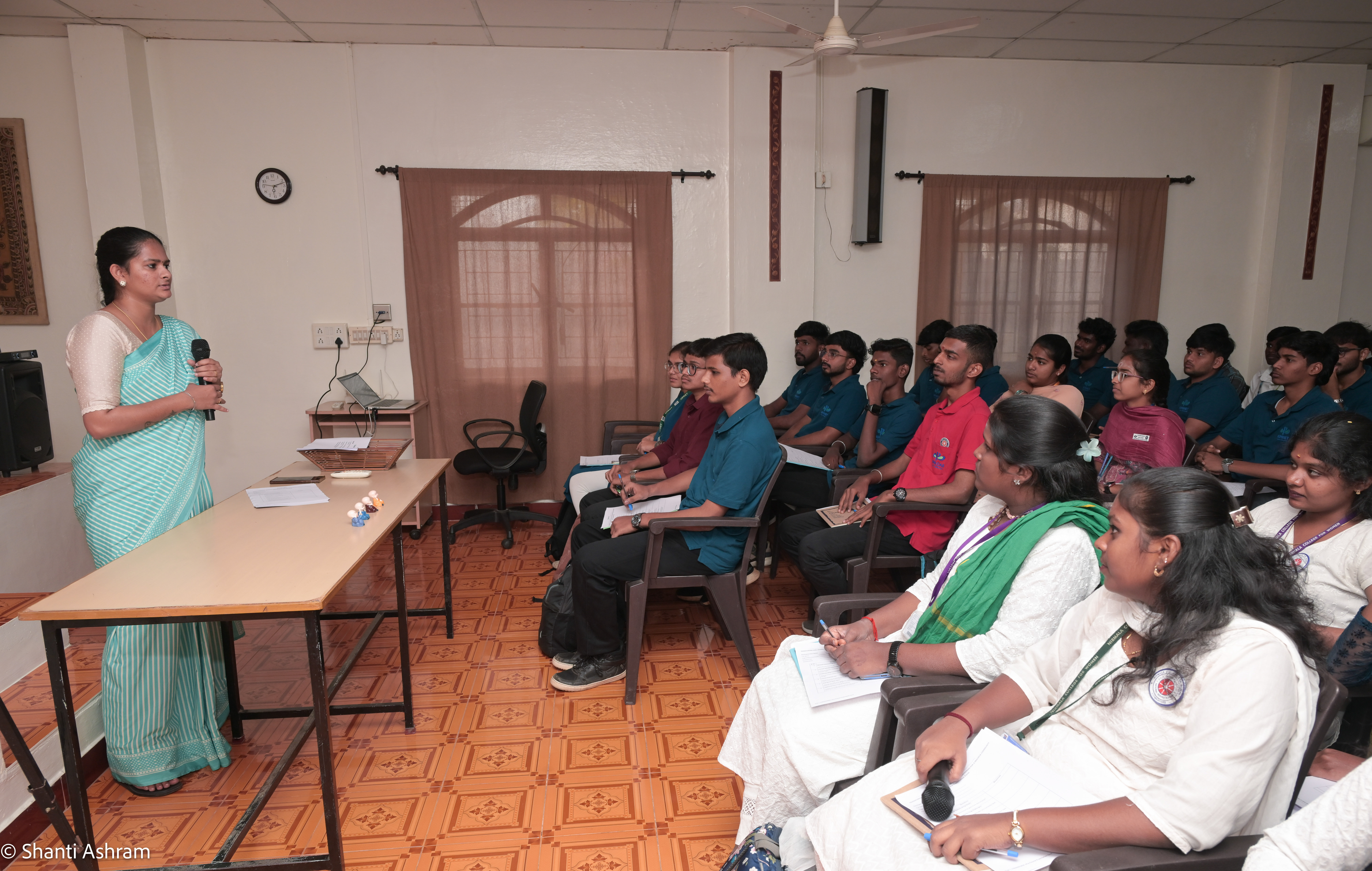
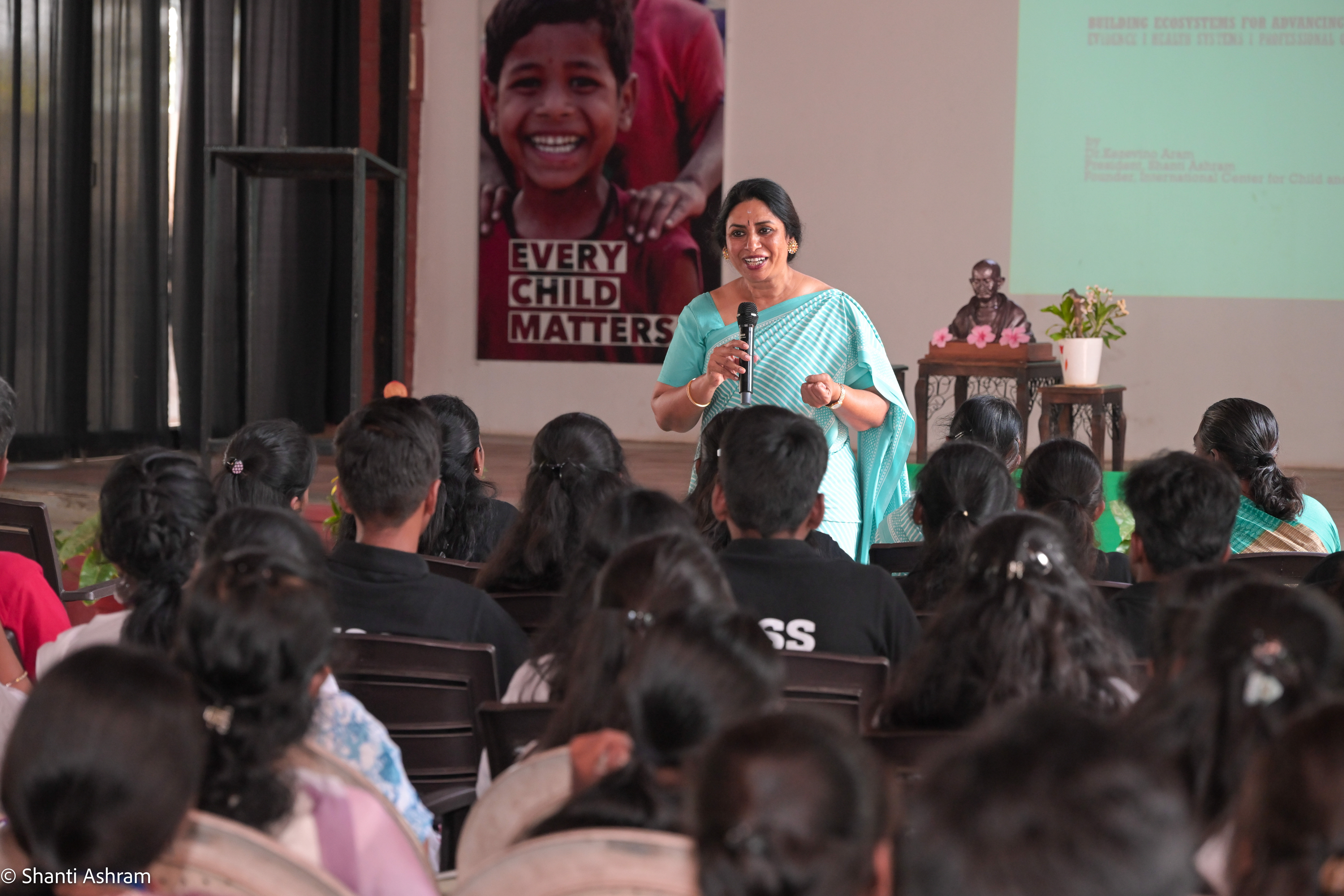
The session on Child Rights deepened the conversation by shifting focus from abstract frameworks to lived realities. While participants were broadly aware of child rights as legal entitlements, the session challenged them to see rights as moral imperatives that demand everyday vigilance.
By grounding the discussion in the context of Shanti Ashram’s work, the session illuminated how rights are protected not merely through policies, but through sustained care, education, and community engagement. Participants acknowledged that the session gave them new insights into concepts they thought they already understood, urging them to move from passive awareness to active responsibility.
Exploring “I” and “We”: The Inner Foundations of Inclusion
A deeply reflective session on exploring the relationship between “I” and “We” encouraged participants to examine their own identities, privileges, and assumptions. Through guided reflections and activities, students were invited to recognise how individual choices shape collective realities.
This session created moments of silence, self-questioning, and honest dialogue. Many participants later shared that this exploration helped them understand inclusion not as an external act of helping others, but as an internal shift—from self-centredness to shared humanity.
Creating an Action Plan: From Reflection to Commitment
The final theoretical session focused on creating an action plan, ensuring that learning did not remain confined to reflection alone. Participants worked individually and in groups to identify concrete steps they could take within their institutions and communities.
These action plans reflected a growing clarity among participants—that volunteering is not an occasional activity, but a way of engaging with the world consciously and consistently. The session reinforced the idea that meaningful change begins with small, sustained actions rooted in conviction.
Learning Through Play and Participation
One of the most surprising—and celebrated—aspects of the day was the games and activity-based sessions. Many participants admitted during reflections that they had not expected learning to be so engaging, joyful, and participatory. The activities gently dismantled hierarchies, encouraged teamwork, and revealed how inclusion is practiced not through slogans, but through everyday choices.
Laughter, silence, dialogue, and moments of introspection coexisted beautifully. Through these activities, participants learned that inclusion is not charity—it is justice in action.
The Expectations of the Participants
At the beginning of the programme, participants were invited to share their expectations. Many expressed a desire to understand volunteering beyond tokenism, to gain clarity on social realities, and to experience something different from routine academic programmes.
Interestingly, several participants admitted they were unsure of what to expect—yet were curious. As the day unfolded, these expectations were not only met but expanded. The blend of theory, activity, and community exposure offered an experience that was both intellectually stimulating and emotionally engaging.
Reflections: Learning That Touched the Heart

The reflection session became one of the most powerful moments of the day. Participants spoke with visible excitement and sincerity, often expressing surprise at how deeply the programme had affected them. The games and activities, in particular, were frequently mentioned as unexpected yet profound learning tools.
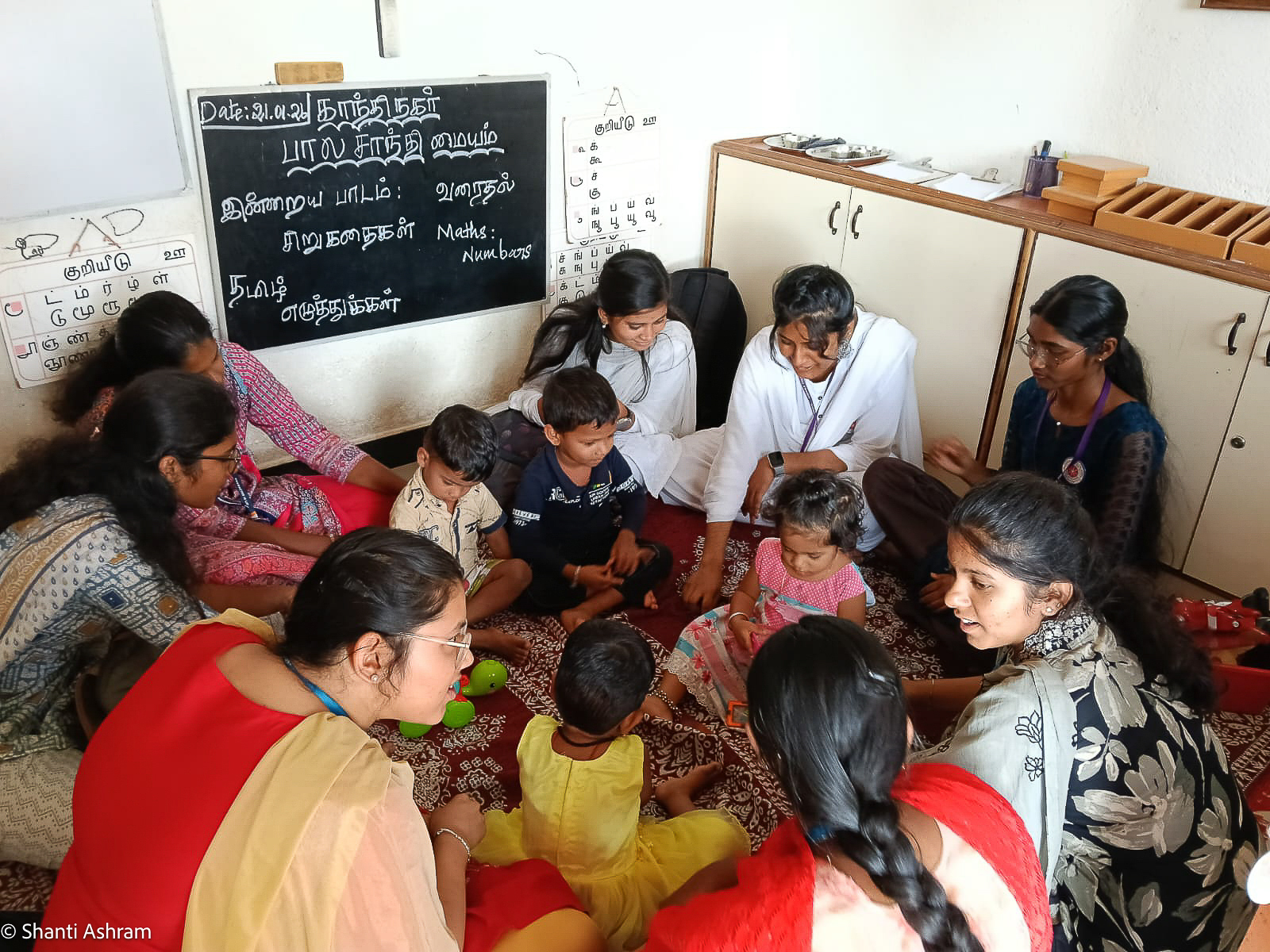
The visit to Bala Shanti left a lasting impression. Participants observed the discipline, confidence, and holistic development of the children and noted how different it was from a conventional Balawadi. Many reflected on how an environment rooted in dignity and care can nurture not only skills, but self-worth.
Engagements around living with HIV were described as transformative. While participants acknowledged that HIV is often understood medically, witnessing stories of empowerment and resilience reframed their perceptions. The ability of individuals to rise above trauma and reclaim agency highlighted the significance of Shanti Ashram’s long-standing commitment to compassionate, inclusive service.
Participants also expressed deep appreciation for the staff team of Shanti Ashram, whose coordination, warmth, and quiet dedication created an atmosphere of trust and openness. Their collective effort was seen as a living example of the values the programme sought to communicate.
Conclusion: A Beginning, Not an End
“Volunteering for an Inclusive Community” was not an event that concluded at sunset. It was a beginning—a stirring of conscience, a call to mindful action. Through stories, encounters, and shared silence, the programme reminded young people that inclusion is not an abstract ideal, but a daily practice.
As the participants departed Shanti Ashram, they carried with them more than certificates or memories. They carried questions, commitments, and the quiet resolve to become volunteers not only in programmes, but in life itself.
In true Gandhian spirit, the day affirmed a simple yet profound truth: the measure of education lies not in what we know, but in how human we become.
Talisman
“I will give you a talisman. Whenever you are in doubt, or when the self becomes too much with you, apply the following test. Recall the face of the poorest and the weakest man [woman] whom you may have seen, and ask yourself, if the step you contemplate is going to be of any use to him [her]. Will he [she] gain anything by it? Will it restore him [her] to a control over his [her] own life and destiny? In other words, will it lead to swaraj [freedom] for the hungry and spiritually starving millions?
Then you will find your doubts and yourself melt away.”
Agenda : Agenda-for-Transform-with-focus-on-Volunteering-for-Young-People-21st-January-2026.pdf


PSG Institute of Medical Sciences and Research

Masonic Medical Center for Children

Avinashilingam University for Women

Haute Ecole de la Sante La Source (HEdS La Source)

Rotary

Eine Welt Laden